Two Phones, One You: The Quiet American Habit of Keeping a Spare Self
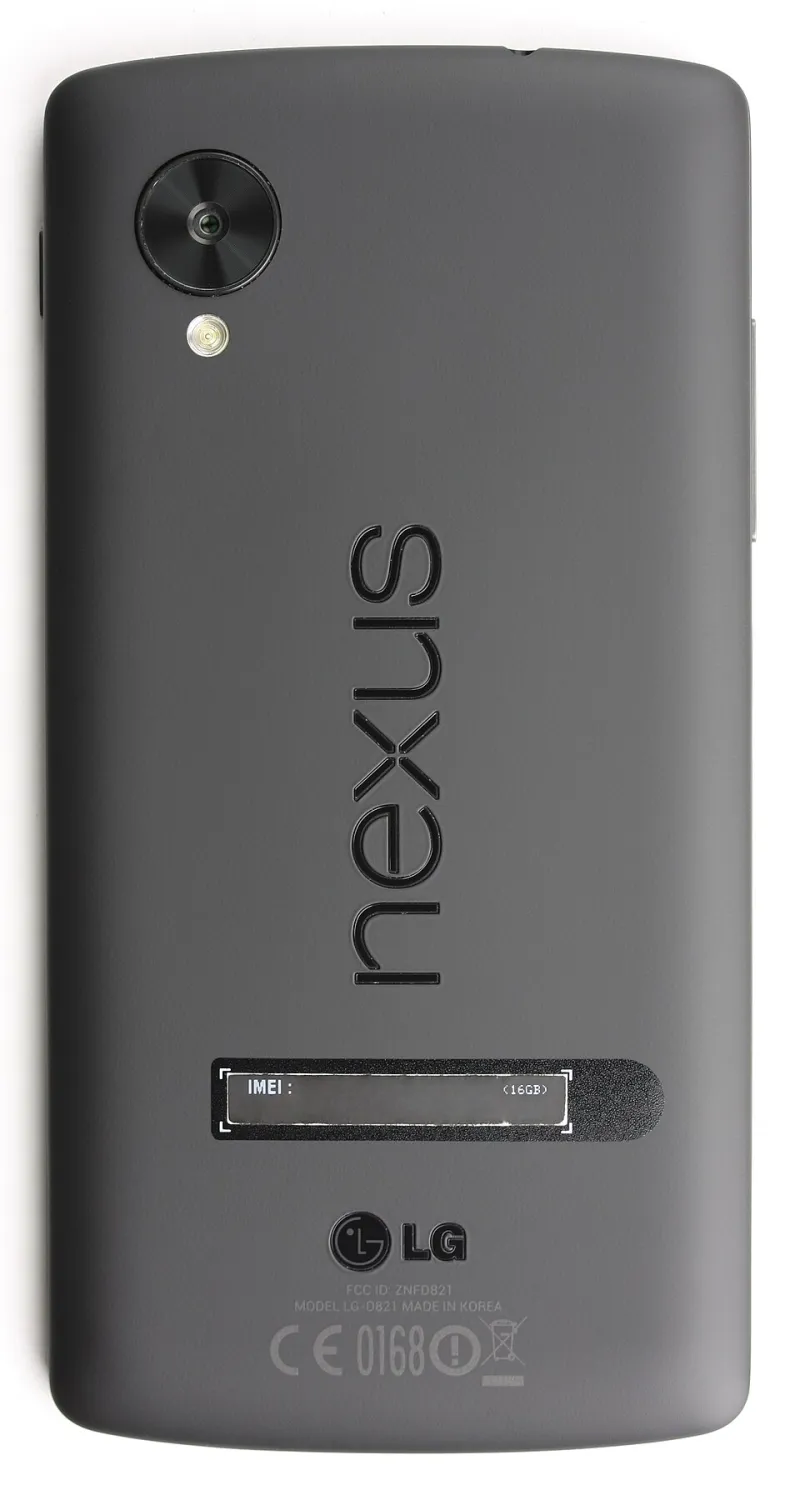
Photo: D-Kuru, CC BY-SA 3.0 at, via Wikimedia Commons
There's a moment happening in checkout lines and Craigslist meetups across the country that nobody's branding, nobody's advertising, and everybody's participating in: the purchase of a second, deliberately worse phone.
A prepaid handset. A month of service. A number that isn't yours. Twenty years ago this transaction read as criminal or clinical. Today it reads as... practical. And the normalization deserves a closer look, because what it says about American digital life is more interesting than the phones themselves.
The Old Stigma Is Dead
The burner phone's pop culture résumé is a rap sheet: drug dealers on The Wire, terrorists on 24, the paranoid in every thriller since the payphone died. The device was a prop for people with something to hide.
That framing collapsed under its own weight, mostly because everybody turned out to have something to hide — just not anything illegal. Selling a car. Dating after a divorce. Listing a spare room. Filling out a form that promises (in fine print) to share your number with 'trusted partners.' Americans discovered that the party actually calling for a second number wasn't law enforcement. It was everyone who'd ever given a real phone number to a used-car listing and paid for it in spam for years.
The New Burner Demographic Is Everyone
Look at who's actually carrying secondary devices now, and the profile gets pleasantly boring.
The daters. A first date gets the secondary number. If it goes well, the real one gets promoted. If it goes badly, the number dies and no ghost of the interaction follows you into your contacts. It's a firewall for the messiest part of modern social life.
The gig workers. Delivery apps, rideshare platforms, marketplace sellers — people whose work number is effectively a public utility. Routing customer contact through a second device means the job ends when the shift ends. Try enforcing that boundary with the phone that holds your family photos.
The organizers. Protest attendees, union organizers, journalists' sources — people for whom a device that maps your movements and uploads your contacts isn't neutral equipment. Some carry a stripped-down handset to marches precisely because it can't leak what a smartphone would.
The commuters and the simply tired. A growing number of people keep a 'dumb' second phone for weekends, kids, or the gym — a device that can't ping, track, notify, or tempt. The burner as digital weight-loss plan.
Here's My Actual Take
I don't think the two-phone life is paranoid. I think it's the most honest thing Americans have done about privacy in a decade.
We spent fifteen years pretending that one device could serve every context — work, family, commerce, dating, activism — and that the resulting surveillance soup was a fair price. It wasn't. The single-phone model only works if you accept that every part of your life gets blended into one behavioral profile, sold as one audience segment, breached as one identity. The two-phone person isn't hiding. They're compartmentalizing — an old intelligence concept that ordinary life turned out to need.
Is it equitable? No. Two phones cost money, and the people who most need data boundaries — gig workers, tenants, activists — can least afford the subscription. Privacy stratified by income is still a problem, and the burner economy doesn't solve it. It just proves the demand exists.
But here's the part I find genuinely American about it: we didn't wait for regulation. We didn't wait for platforms to grow consciences. We just quietly bought a second handset at the drugstore and started drawing our own borders. It's privacy as DIY — imperfect, slightly absurd, very us.
The Question Worth Asking
The interesting line isn't between criminals and normal people anymore. It's between people who've accepted one blended identity and people who refuse it. Carrying two phones is a small act of refusal — a statement that you are not a single record in someone's database, that 'you' is context-dependent, and that some contexts are nobody's business but your own.
The carriers hate it. The data brokers hate it. The ad-tech industry really hates it.
That's usually how you know an idea is working.